 ES
ES EN
EN ES
ES
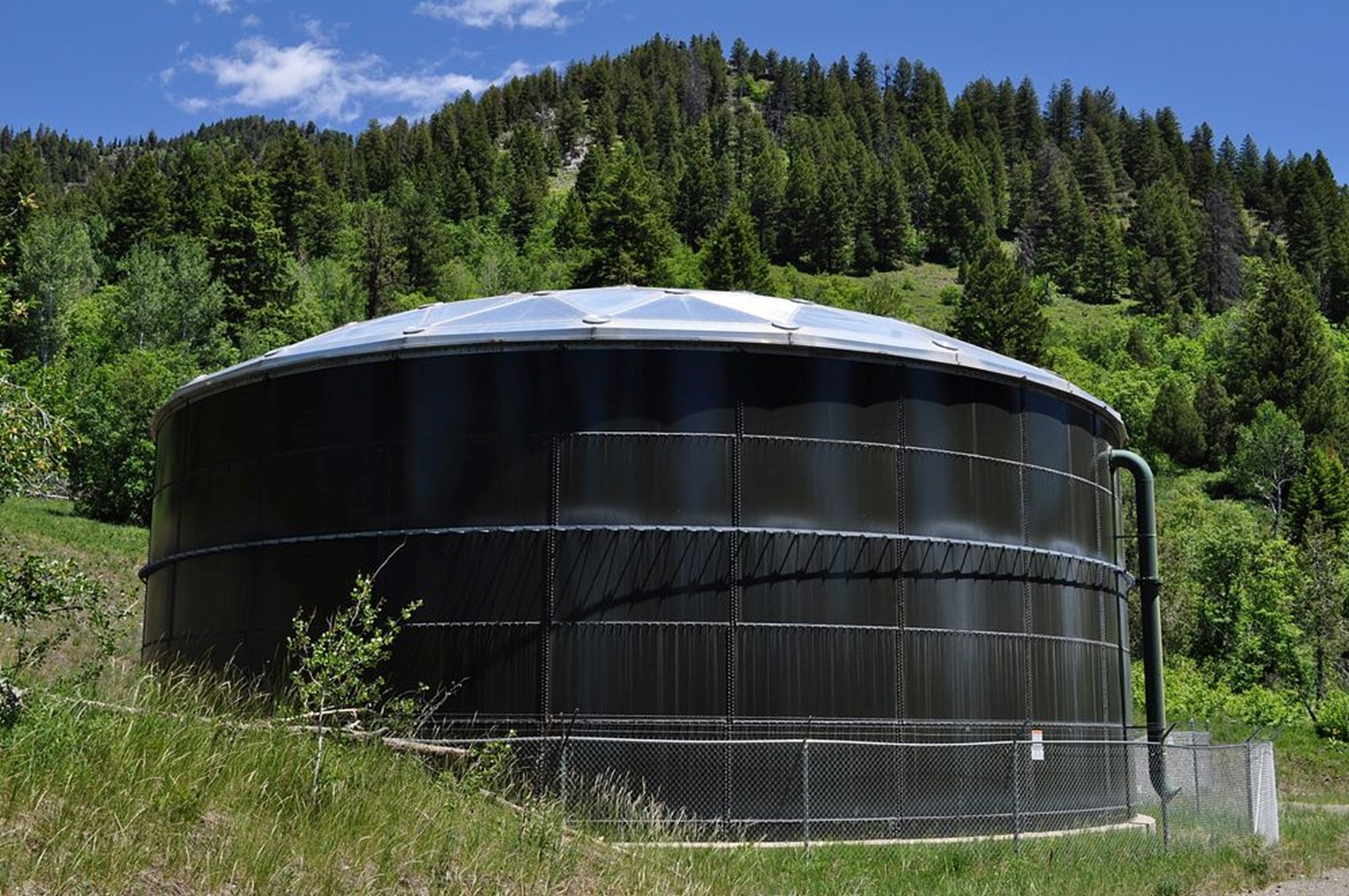
Accurate control of water levels in tanks and cisterns is essential for ensuring a continuous and efficient water supply in any facility. Traditionally, float switches have been used for this task. However, with advancements in technology, liquid level controllers have emerged as a superior alternative. In this article, we will explore the key differences between liquid level controllers and float switches, analyzing the advantages and disadvantages of each.
What is a Liquid Level Control Relay and How Does It Work?
A liquid level control relay is an electronic device designed to measure and control the level of liquids in containers such as tanks and cisterns. Unlike traditional float switches, liquid level controllers operate without moving parts, reducing the risk of mechanical failures and ensuring greater accuracy in measurement.
At Nassar Electronics, we offer the EN-3P Liquid Level Control Relay, which is ideal for systems where precise control is required during filling or emptying processes. This model features an adjustable knob to set the resistivity of the liquid, allowing for customized operation in various environments. It also protects the pump from burning out when the tank is empty.
Float Switches: Types, Advantages, and Disadvantages
Float switches have been the traditional solution for level control and are mainly divided into two types: mechanical float switches and mercury float switches.
- DN-2 Mechanical Float Switch: This type of float switch uses a lever system to activate or deactivate a switch based on the water level. It is known for its simplicity and low cost but is prone to mechanical wear, which can lead to failures in level control.
- DN-1 Mercury Float Switch: Mercury float switches, on the other hand, have a very long lifespan, much longer than mechanical float switches. They are ideal for sump pits or locations dealing with wastewater, as liquid level controllers cannot be used in these applications due to water contamination. However, their use is restricted to non-potable water applications because of the toxicity of mercury.
Advantages and Disadvantages of Liquid Level Control Relays and Float Switches
| Feature | Liquid Level Control Relay | Mechanical Float Switches | Mercury Float Switches |
| Accuracy | High | Medium | Medium |
| Durability | High (no moving parts) | Low (mechanical wear) | High |
| Safety | High | Medium | Low (due to mercury) |
| Cost | Medium/High | Low | Medium |
Why Choose Liquid Level Controllers?
While mechanical and mercury float switches offer economical and reasonably reliable solutions for level control, liquid level controllers stand out for their accuracy, durability, and safety. With no moving parts, liquid level controllers have a longer lifespan and require less maintenance, which can translate into significant savings over time.
Additionally, the EN-3P Liquid Level Control Relay offers advanced features such as an adjustable knob for liquid resistivity and pump protection, providing more comprehensive and reliable water level control in any system.
Float Switches: A Viable Option
For those seeking a more economical solution or with specific applications, float switches remain a valid option. At Nassar Electronics, we offer both the DN-2 Mechanical Float Switch and the DN-1 Mercury Float Switch, ensuring that whatever your need, you can find the right device for your installation.
Conclusion
In summary, while float switches are still a viable option in certain applications, liquid level controllers are the best alternative for those seeking more efficient, safe, and durable water level control. By evaluating your needs and priorities, opting for a liquid level controller can be an investment in the long-term performance and reliability of your water storage systems.
To learn more about our liquid level controllers, visit the following link: EN-3P Liquid Level Control Relay.
And if you’re interested in float switches, you can also find more information at: DN-2 Mechanical Float Switch and DN-1 Mercury Float Switch.